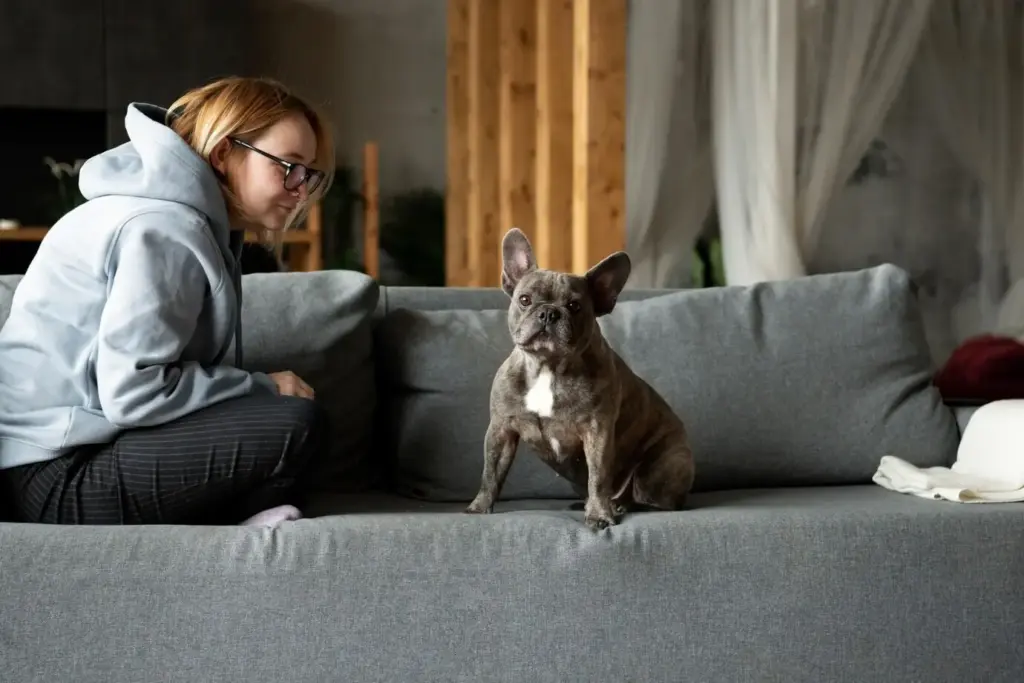


Mapping Harmony for Multi‑Pet Living

Today we dive into Multi‑Pet Home Resource Mapping: Where to Place Beds, Bowls, and Litter, translating behavior science and practical floor‑plan know‑how into warm, livable spaces. Expect clear placement rules, real‑life anecdotes, and step‑by‑step layouts that reduce conflict, honor individual preferences, and keep every tail wagging and whisker relaxed.

Read the Room: Scent, Sightlines, and Safe Exits

Cats claim territory with scent and vertical vantage points, while dogs supervise hallways and thresholds. Place resources where sightlines are manageable and exits are plentiful, so no animal feels trapped. Avoid cornering litter boxes or beds behind furniture. Keep bowls away from favorite ambush spots. When pets can retreat without confrontation, their confidence rises, and tension drops noticeably over time.

Zones, Paths, and Bottlenecks

Sketch the home’s main lanes: hallways, kitchen triangles, couch‑to‑door runs. Identify pinch points where two animals collide or guard. Resource placement should widen options, not funnel traffic. Use furniture, shelves, and baby gates to create gentle detours that break line‑of‑sight. When pathways expand, scuffles fade, and each resident learns they can bypass conflict instead of pushing through it.

Species and Individual Needs

One cat may value high perches and quiet corners; another craves mid‑level views near people. A senior dog might need supportive bedding close to water, while a playful pup wants soft landings near play zones. Map to individuals, not stereotypes. Balancing needs prevents resource monopolies, reassures cautious companions, and turns your layout into a personalized agreement everyone understands.

Placing Beds and Resting Spots for Real Rest

Resting areas should feel predictable, draft‑free, and emotionally safe. Offer multiple options so residents can rotate depending on temperature, noise, and social mood. Spread beds across quiet corners, den‑like nooks, and observation posts. Avoid stacking all rest spots in one room. Real rest happens when each pet can choose solitude or companionship without competition, pressure, or constant negotiation for territory.

One Bed per Pet, Plus One More

Over‑provide to undercut conflict. Aim for at least one bed per pet plus an extra, sized to species and mobility. Place the bonus bed near a secondary retreat or soft boundary, such as behind a chair. Redundancy prevents bed guarding and allows smooth rotation. You will see fewer stare‑downs and more synchronized naps, a reliable sign that you have balanced demand and supply.

Dens, Crates, and Elevated Perches

Many dogs decompress in crate‑like dens, while cats often settle best when they can survey from above. Offer both options. Position crates away from heavy foot traffic and avoid facing them directly at doors. Add window perches and shelf steps for cats. When vertical and denning choices coexist, shared territories feel bigger, giving anxious pets calm control without stealing another’s favorite refuge.

Climate and Sound Considerations

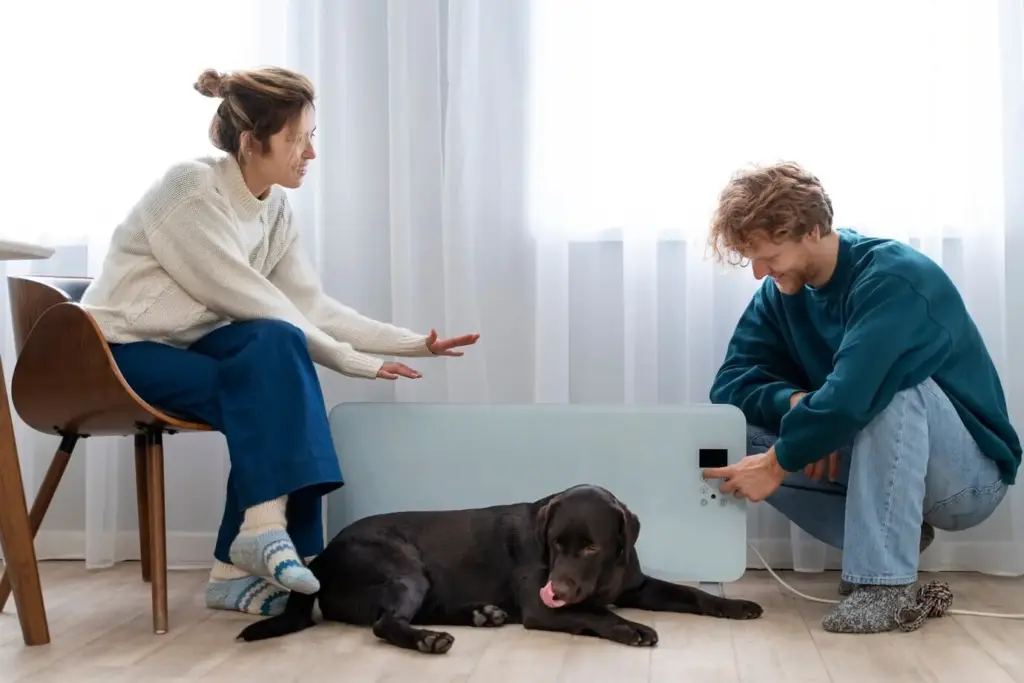
Beds near radiators or sunny windows please heat seekers; cooling mats and tile corners comfort those who run warm. Sound matters too: distance from washers, speakers, and street noise helps light sleepers. Drafts around doors can undermine rest. Map according to comfort cues you observe daily, and rotate seasonally. Thoughtful microclimates turn scattered beds into a restful network that truly restores everyone.

Food and Water Without Fights

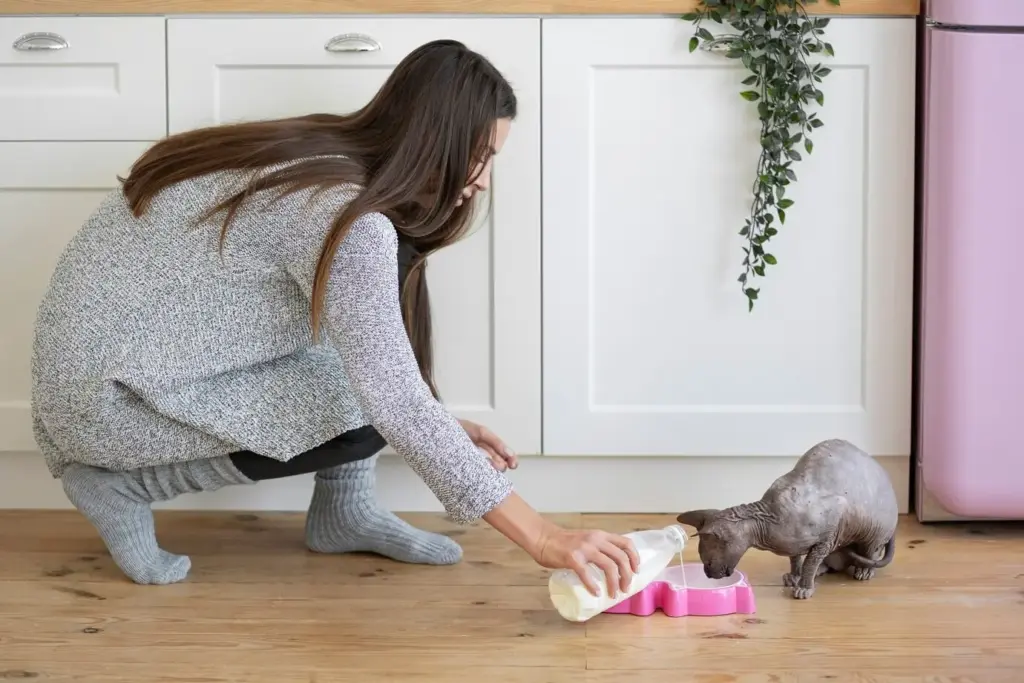
Meal stations should minimize pressure and protect access. Separate bowls by distance or visual barriers, avoiding narrow halls, doorways, and litter areas. Water belongs in quieter, neutral zones, with multiple stations to avoid crowding. Timed routines help, but the layout does heavy lifting. When feeding friction disappears, digestion improves, overeating wanes, and the whole household exhales between happy crunches and satisfied laps.

Litter Logistics and Canine Potty Planning
Elimination areas must combine privacy, cleanliness, and safety. For cats, follow one box per cat plus one more, spaced across different rooms or floors. Avoid corners with only one exit, loud appliances, and food zones. Dogs benefit from clear access to outdoor potty routes or indoor pads with non‑slip surfaces. Good mapping prevents accidents, protects dignity, and stops hallway standoffs before they begin.

The 1+1 Rule and Privacy Geometry

Provide one litter box per cat plus one extra, each reachable without crossing another’s claimed route. Give partial cover or visual buffering without trapping exits. Keep boxes far from food and beds, ideally on stable, easy‑to‑clean mats. When cats can eliminate without an audience, stress hormones stay lower, and boxes remain reliably used, preventing those frustrating mystery puddles and late‑night cleanup sessions.

Ventilation, Substrate, and Routine Care

Choose low‑dust clumping litter and scoop daily, refreshing fully as needed. Position boxes where airflow prevents lingering odors without creating cold drafts. A covered box may help shy cats, but only if exits are clear. Dogs using indoor pads need washable, secured surfaces. Consistency is everything: predictable cleanliness communicates respect, encourages faithful use, and deters sneaky substitutes such as laundry piles or bath mats.

Introducing New Pets and Re‑Mapping Calmly

Slow Reveals and Scent Bridges

Exchange bedding before face‑to‑face meetings. Feed on shared edges separated by a solid barrier to build positive associations. Progress to short, structured visuals with easy retreats. Add redundant resources near meeting zones so no one feels cornered. Patience plus clever placement shrinks the unknown, transforming first impressions into safe, predictable routines that invite respectful sniffing instead of defensive posturing.

Spotting Guarding Early and Redirecting

Watch for stiff bodies near bowls, blocking behavior around beds, or sudden speed‑walks toward litter areas. If you notice tension, increase distance between resources, add visual breaks, and create alternative paths. Reward calm disengagement. Re‑map hot zones rather than correcting confrontations after they ignite. The best fix happens with furniture shifts and smarter spacing, not escalating reprimands that confuse anxious companions.

Routines, Predictability, and Enrichment

Consistent feeding schedules, scatter feeding for foraging, and puzzle toys placed away from beds create balanced energy. Rotate perches and snuffle spots weekly to keep novelty positive, not chaotic. Predictable rhythms reduce competition, because everyone knows more good things are coming. A well‑timed layout can become your calmest training partner, quietly guiding choices toward ease rather than friction.

Small Spaces, Big Calm
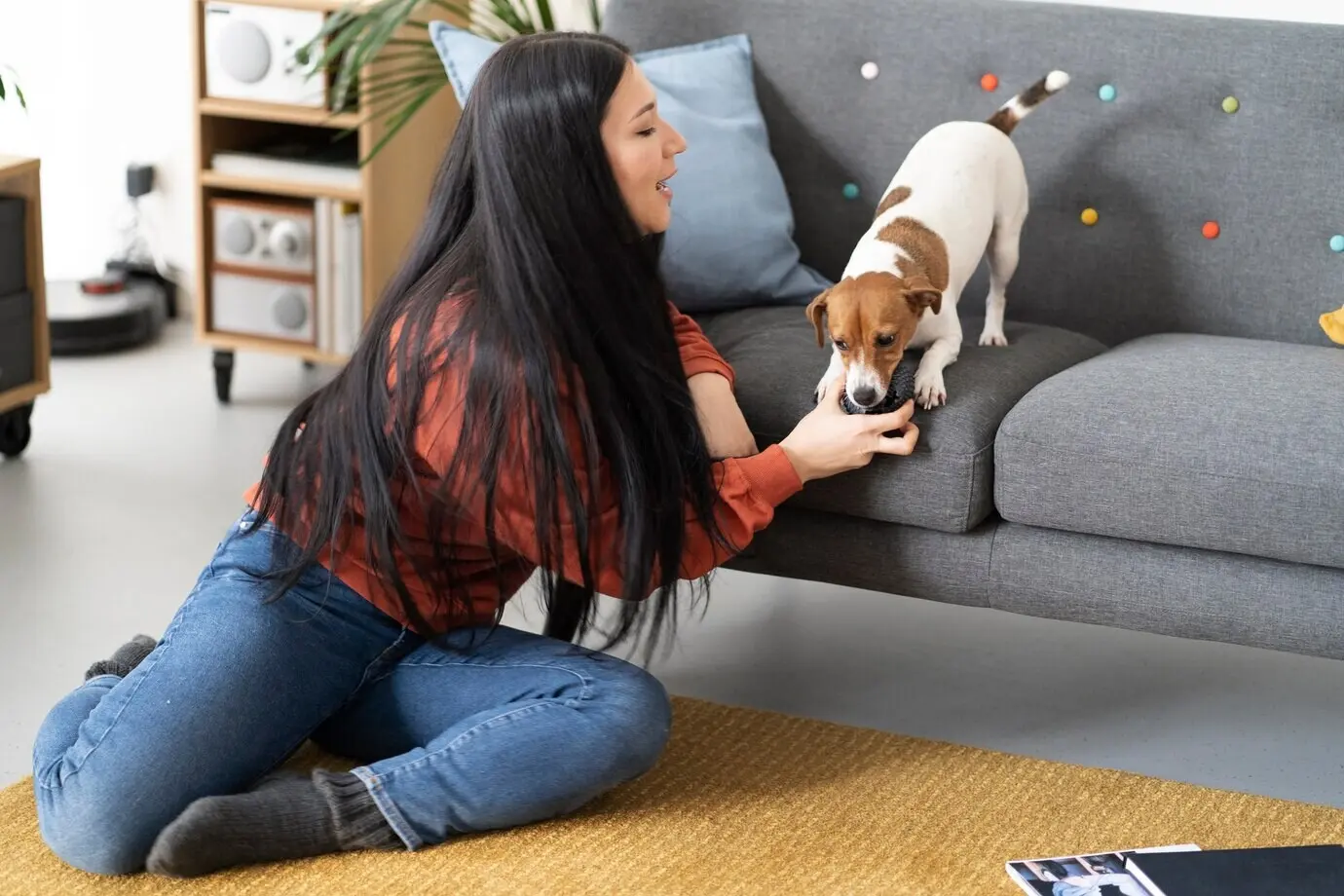
Apartments and studios can feel wonderfully spacious when mapped with vertical layers and clever boundaries. Stack options instead of squeezing them, separating functions by height and micro‑zones. Use window perches, under‑desk dens, and folding screens to create privacy without losing floor area. The goal is choice, not sprawl. Even tight footprints can host peaceful routines when every square foot carries a clear purpose.

Vertical Expansion and Doorway Management

Add shelves, cat trees, and sturdy window hammocks to multiply usable territory. Place beds diagonally across from doorways to maintain escape lines. For dogs, use baby gates or pens to shape gentle corridors through shared rooms. A few well‑chosen elevations and barriers transform a single room into layered neighborhoods where pets pass, rest, and observe without stepping on each other’s emotional toes.

Smart Storage and Convertible Zones

Hide litter in ventilated furniture with dual exits, or tuck it beside a screen that preserves privacy without blocking air. Slide bowls into alcoves and store toys in baskets near play mats. Use foldable tunnels or travel crates that pack away after playdates. Converting zones by time of day lets small homes do double duty elegantly, without crowding or resource confusion.

Night Modes and Guest Scenarios

Establish evening routines where some doors close and soft lighting guides traffic to quiet beds and water stations. When guests arrive, switch to a visitor layout: extra beds in a spare corner, visual breaks near seating, and a covered retreat for shy pets. Invite readers to share floor plans and questions; we will happily suggest tweaks that turn your unique space into reliable calm.
Fuzovenomuvifutiro
Privacy Overview

This website uses cookies so that we can provide you with the best user experience possible. Cookie information is stored in your browser and performs functions such as recognising you when you return to our website and helping our team to understand which sections of the website you find most interesting and useful.