


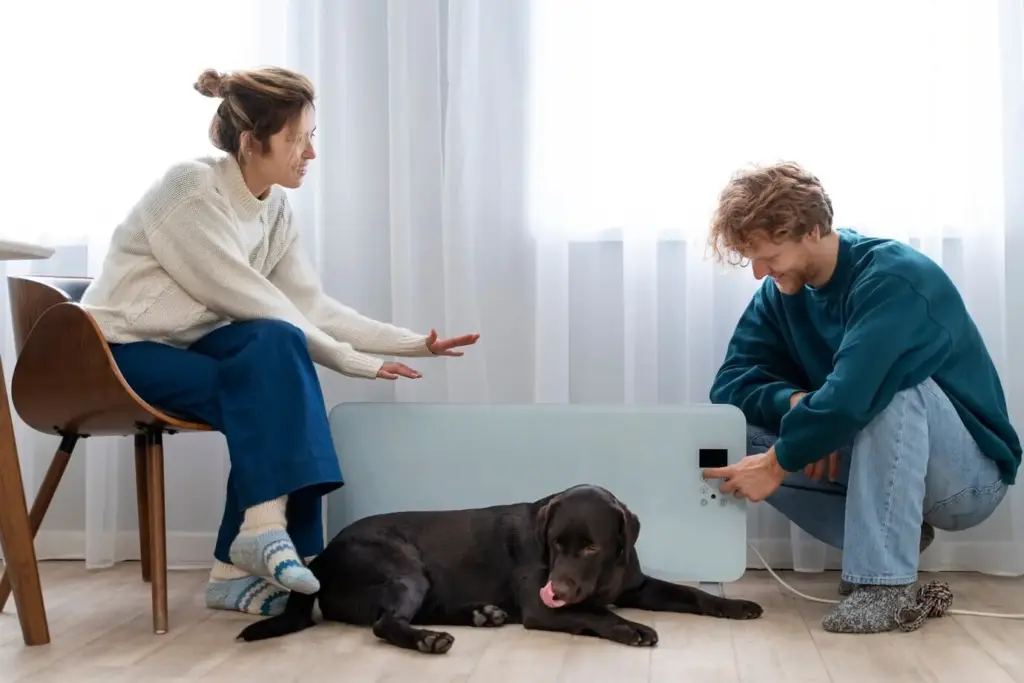
Make Every Room a Safe Haven for Curious Paws

Today we focus on Pet-Proofing Your Home: Safety Strategies for Every Living Area, translating veterinary advice and real-life experience into friendly, room-by-room guidance. Expect smart checklists, simple fixes, and stories that help you anticipate curiosity, avoid accidents, and build safe routines together. Share your practices in the comments and subscribe for weekly updates.

Entryways and Living Rooms: Calm, Secure, and Welcoming

These shared spaces invite playful energy and surprise detours, so planning matters. We will block tempting nooks, secure cables, anchor furniture, and place baskets for toys to redirect chewing. With supervised exploration, baby gates, and thoughtful storage, you can protect wagging tails, cherished decor, and your peace of mind without sacrificing warmth or style.

Secure Cords, Remotes, and Soft Furnishings

Bundle and cover TV cords, charge devices in closed stations, and use chew-safe cable channels. Store remotes in lidded caddies. Choose washable throws and cushion covers, and anchor lamps or tall speakers. These small shifts prevent tangles, shocks, and toppled surprises during excited zoomies.

Houseplants and Decorative Objects That Deceive

Research toxicity for every plant, swapping lilies, sago palm, dieffenbachia, or philodendron for pet-safe options like spider plants, areca palms, and herbs. Elevate fragile ceramics, use museum gel for frames, and prefer soft, stable baskets. Curiosity softens when interesting textures safely occupy paws.

Kitchen Safety Without Compromise

Cooking areas mix irresistible smells with sharp tools, heat, and hidden toxins. We will elevate trash, child-lock cabinets, and define a mat where pets wait safely away from splatters. Clear labeling, sealed containers, and mindful habits keep counters productive and paws protected during bustling meals.

Pantry and Trash Management

Use step-lid or motion-sensor bins and place them inside a cabinet if raiding persists. Store chocolate, xylitol gum, onions, raisins, coffee, and alcohol in high, latched areas. Rotate inventory and wipe spills immediately, turning temptation into a non-event through invisible organization.

Heat, Stovetops, and Appliance Awareness

Block access when burners are on, use back pots with handles turned inward, and prefer induction if possible. Oven locks and air-fryer placement reduce singes. Teach a kitchen boundary cue, rewarding relax-on-mat behavior so safety becomes a practiced habit amid sizzling distractions.

Bedrooms and Personal Spaces That Truly Rest

Rest spaces should soothe both human and animal, minimizing midnight mischief and morning scrambles. We will safeguard medications, cosmetics, and jewelry, manage laundry, and curate calm lighting. Thoughtful routines reduce pacing, while chew alternatives and storage prevent harmful nibbling on zippers, cords, or shoes.

Nightstand and Closet Control

Stow pill organizers, lotions, hair ties, and earplugs in drawers, not trays. Add magnetic cabinet latches if paws pry. For closets, elevate leather goods, use closed bins for socks, and hang organizers for scarves. One tidy habit saves a frantic vet visit later.
Laundry and Linens Strategy

Detergent pods resemble treats, so store high and sealed. Use a lidded hamper, and check bedding for swallowed buttons. Choose durable, washable duvet covers, and rotate blankets seasonally. A pre-sleep sweep—floor, bedside, under bed—quickly removes hazards before yawns turn into chew sessions.

Calming Corners and Enrichment

Create a predictable refuge with a crate or bed, dimmable lamp, and white-noise machine. Offer long-lasting chews approved by your veterinarian and rotate puzzle toys. Pair relaxation with gentle cues, reinforcing quiet moments so comfort, not drama, becomes the default bedtime narrative.

Bathrooms and Laundry Rooms: Clean, Dry, and Safe

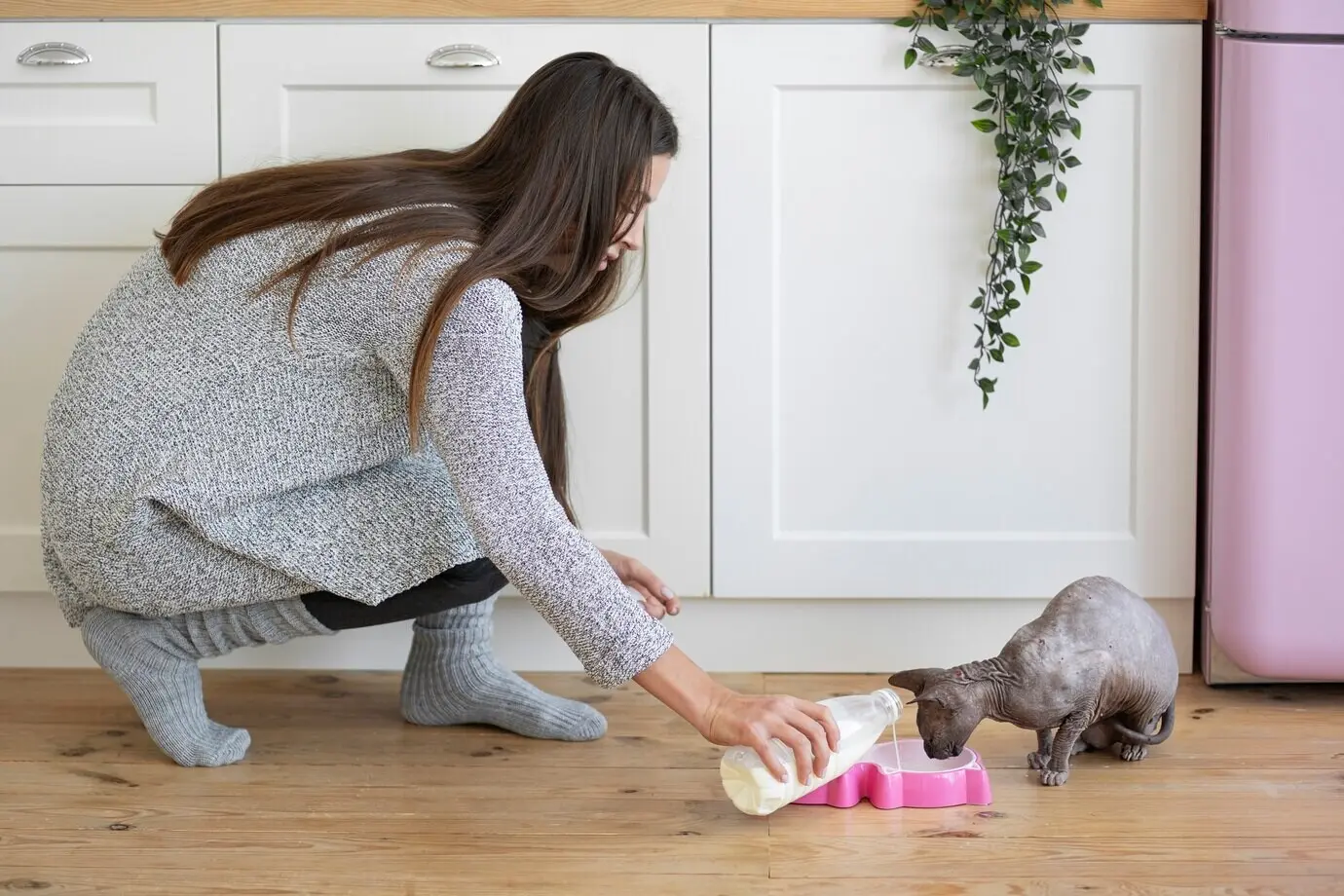
Collect shampoos, bleach, essential oils, and medications in high cabinets with childproof latches. Keep original labels and Safety Data Sheets accessible. Measure meticulously and never mix products. A simple basket system turns potential chaos into a predictable routine that protects health every single day.
Close toilet lids, dry puddles quickly, and place non-slip rugs near tubs. Hang towels high and store bath bombs away from reach. For small pets, consider a shower gate during cleaning. Calm, organized movement prevents skids, tumbles, and water-chasing antics that escalate risk.
Check inside washers and dryers before running cycles, especially if cats nap in warm drums. Clean lint traps thoroughly. Secure detergent lines and inspect hoses for bulges. A monthly checklist makes safety automatic, saving money, preventing floods, and protecting whiskered supervisors from hidden dangers.

Hallways, Stairs, and the Home Office

These connective zones gather cables, paperwork, and foot traffic. We will tame cords, secure railings, and light pathways evenly. Office tools like shredders, spinning chairs, and dangling lanyards demand caution. With boundaries and tidy habits, movement stays fluid while curious minds remain gently redirected.

Cable Channels and Power Strip Safety

Route wires through covers, mount power strips under desks, and use outlet blockers. Keep chargers disconnected when not in use. Label and bundle slack behind furniture so paws cannot snag loops. Boredom fades when there is nothing interesting to swat, chew, or chase.

Paper Shredders, Chairs, and Rolling Risks

Unplug shredders after use, cover slots, and never leave them in auto mode. Stabilize chairs, and teach a place cue during work hours. A low shelf for toys near your desk channels energy, replacing wheel-chasing chaos with predictable, rewarded relaxation beside you.

Fencing, Screens, and Balcony Netting

Inspect fence lines after storms, fill dig-outs with buried wire or pavers, and add coyote rollers if necessary. For apartments, taut netting and secure screens prevent slips. Supervised sunbathing with shade, water, and a cooldown mat reduces risky leaping inspired by birds or butterflies.

Garden Beds and Yard Chemicals

Identify and replace toxic ornamentals, and fence off compost. Use pet-safe herbicides and keep baits completely off-limits. Rinse paws after lawn treatments and lock fertilizers high. A small rinse station by the door transforms messy play into a healthy, contained, celebratory return indoors.

Garage Organization and Seasonal Hazards

Mount pegboards for tools, add locking cabinets for fluids, and close bait stations permanently. During winter, store road salt formulated for paws and wipe after walks. Summer grills cool behind barriers. Routines that change with seasons remove surprises before mischief can even start.

Emergency Preparedness and a Culture of Safety

Preparation saves lives and reduces anxiety when surprises happen. We will assemble first-aid kits, post veterinary contacts, and practice emergency exits. Family communication, pet identification, and regular drills turn good intentions into habits, helping everyone respond quickly, calmly, and compassionately under pressure.

First-Aid Basics and Emergency Plan

Stock gauze, non-stick pads, vet wrap, saline, tweezers, styptic powder, and a soft muzzle. Save the nearest 24-hour clinic and poison helpline in your phone. Rehearse transport and crate loading. Preparation creates calm muscle memory when seconds matter most for health.

Safe Socialization and Guest Guidelines

Create house rules cards near the door: ignore jumping, reward four paws on the floor, secure handbags, and keep medications zipped. Provide a treat jar for visitors to reinforce manners. Confident hosts prevent door-dashing while teaching pets pleasant, predictable greetings with friends.

Fuzovenomuvifutiro
Privacy Overview

This website uses cookies so that we can provide you with the best user experience possible. Cookie information is stored in your browser and performs functions such as recognising you when you return to our website and helping our team to understand which sections of the website you find most interesting and useful.